Missing Teeth? Discover Why Dental Implants Are the Gold Standard
4 min read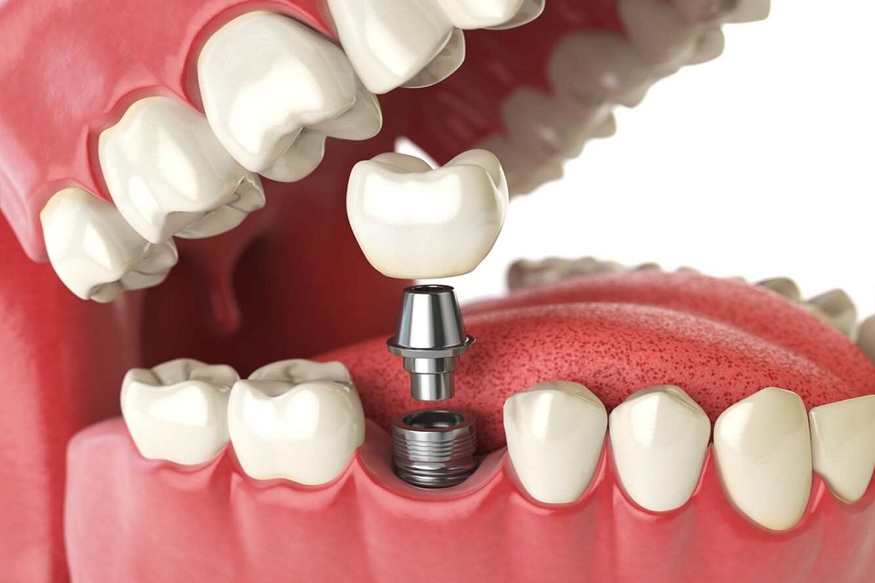
Living with missing teeth involves challenges that go well beyond aesthetic concerns. Leaving a gap in your smile can create a domino effect of oral health complications, shifting your remaining natural teeth out of alignment, altering your bite, and causing your jawbone to deteriorate over time. While traditional options like conventional dentures and dental bridges have served Australians for generations, modern dentistry offers a much more permanent and highly reliable alternative.
Today, clinical practitioners consider dental implants to be the absolute gold standard for teeth replacement. This comprehensive article explores exactly why this sophisticated technology outperforms older treatment methods, how it protects your long-term oral health, and what you can expect during the journey toward a fully restored smile.
Understanding the Anatomy of a Dental Implant
To understand why implants are so highly regarded, it helps to look at how they are constructed. Unlike conventional options that merely sit on top of the gums, an implant replicates the entire structure of a natural tooth, from the root up to the crown.
An implant consists of three primary components:
- The Fixture (Implant Post): A small, biocompatible screw made from medical-grade titanium that a dental surgeon places directly into your jawbone. This acts as the new root.
- The Abutment: A small connector piece that sits right at the gum line, linking the hidden titanium post to the visible replacement tooth.
- The Prosthetic Crown: A custom-made ceramic or porcelain tooth engineered to perfectly match the unique colour, shape, and size of your surrounding natural teeth.
The Biocompatible Magic of Osseointegration
The secret behind the immense stability of implants lies in a natural biological process known as osseointegration. This scientific term describes the way human bone tissue naturally fuses directly to a titanium surface over several months.
Read More: The Art of the Smile: A Clinical Guide to Veneers and Long-Term Oral Care
When a surgeon places the titanium post into the jaw, the bone recognizes the material as friendly and begins building new cells around it. Once this healing process finishes, the implant becomes an inseparable, solid part of your jaw. This biological bond ensures that your replacement tooth will never slip, click, or shift while you are speaking or chewing your favourite meals.
Halting Jawbone Loss and Facial Collapse
One of the biggest downsides of losing a tooth is the immediate stop in bone stimulation. Natural tooth roots transfer the pressure of chewing deep into the jawbone, which signals the body to keep that bone dense and strong. When a tooth is lost, the underlying bone begins to resorb (dissolve away) because it is no longer being used.
Traditional bridges and dentures do nothing to stop this bone loss. Over time, as the jaw shrinks, dentures lose their snug fit and facial features can begin to cave inward, making people look prematurely aged. Because implants substitute for the natural root, they continue providing that vital chewing stimulation, keeping your jawbone strong and preserving your natural facial structures.
True Functional and Aesthetic Freedom
For many individuals, the most immediate and profound impact of teeth replacement is the restoration of daily function. Conventional dentures often limit your diet, making it difficult to enjoy crisp apples, nuts, or a tender steak. Implants restore up to 90% of natural chewing capacity, letting you eat a varied and nutritious diet without anxiety.
Furthermore, they offer a massive boost to mental well-being and social confidence. Many people who restore their smiles experience a significant lift in self-esteem, showing a dramatic improvement in the quality of life through modern dental implants solution. You can speak clearly, laugh openly, and attend social gatherings without worrying about an appliance coming loose.
Longevity and Protecting Your Remaining Teeth
When looking at the overall value, implants are remarkably cost-effective because of how long they last. While a dental bridge usually needs replacement every 10 to 15 years, a well-maintained dental implant can easily last for the rest of your life.
Read More: What Actually Makes the Best Dentist in Vancouver, WA? A Real-World Look at What Patients Care About
Implants also protect the rest of your mouth. To place a traditional dental bridge, a dentist must permanently grind down the healthy neighboring teeth to act as supportive anchors. Implants are entirely self-standing, meaning your remaining natural teeth are left completely untouched and undamaged.
Timeline and Anticipating Your Recovery
The road to a restored smile is a multi-step process that requires patience, but the long-term results are well worth the wait. For patients requiring full-arch restorations, advanced techniques can streamline the process, though understanding the initial healing phases remains crucial. Individuals considering comprehensive rehabilitation should carefully research the overall recovery time for this procedure to properly plan their work and personal schedules during the initial healing weeks. Practising meticulous oral hygiene and attending all scheduled follow-ups ensures your new smile remains beautiful and healthy for decades.