The Art of the Smile: A Clinical Guide to Veneers and Long-Term Oral Care
3 min read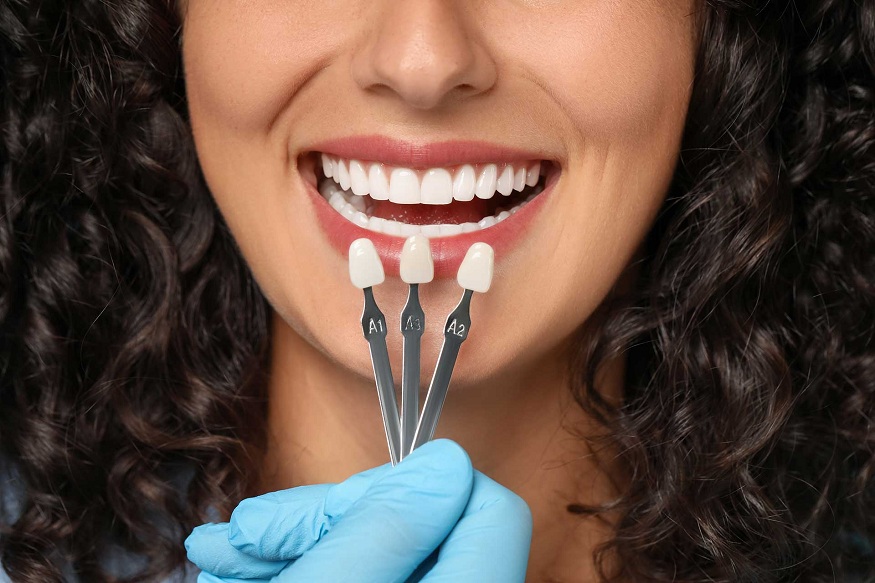
Achieving a balanced, radiant smile is a nuanced process that sits at the intersection of dental science and artistic vision. For many, dental veneers represent the gold standard for aesthetic transformation, offering a versatile solution to address everything from minor chips to significant discolouration. Understanding the clinical precision required for these restorations, as well as the commitment to ongoing maintenance, is essential for anyone considering a permanent enhancement to their oral health and appearance.
The Clinical Precision of Veneers
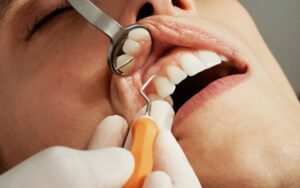
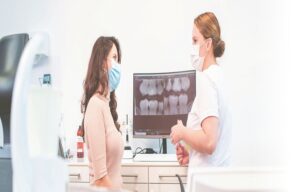
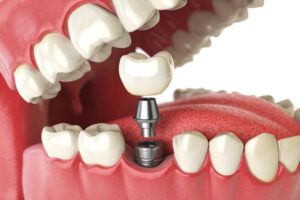
The process of creating a seamless smile begins with a detailed clinical assessment. Veneers are custom-crafted, wafer-thin shells made of high-quality ceramic or composite resin, designed to cover the front surface of the teeth. Unlike crowns, which require the removal of significant tooth structure, veneers are a more conservative approach. A dentist typically removes only a tiny fraction of the enamel—often less than a millimetre—to ensure the shells sit flush with the surrounding teeth.
Read More: What Actually Makes the Best Dentist in Vancouver, WA? A Real-World Look at What Patients Care About
This preparation is vital for ensuring the longevity of the restoration and preventing a bulky or unnatural appearance. Modern digital scanning and 3-mannequin prototyping allow clinicians to map out the final result before the permanent restorations are even bonded. This level of foresight ensures that the final result complements the patient’s facial features, lip line, and natural gum contour.
Aesthetic Harmony and Functional Design
A common misconception is that veneers are purely cosmetic. In reality, they serve a functional purpose by reinforcing teeth that have been weakened by wear or structural gaps. When looking at how porcelain veneers improve symmetry and aesthetics, it becomes clear that the goal is to create a cohesive dental arch. By correcting uneven lengths or closing small gaps (diastemas), veneers provide a structural balance that makes the entire smile look more youthful and healthy.
The selection of shade and translucency is where the “art” truly manifests. High-grade porcelain mimics the light-reflecting properties of natural enamel, incorporating subtle gradients and textures. This prevents the “opaque” look often associated with older dental work, resulting in a smile that looks vibrant yet entirely authentic.
Essential Long-Term Oral Care
While porcelain is highly resistant to staining from coffee, tea, and red wine, the health of the underlying tooth remains the priority. The longevity of veneers—which can last upwards of 15 years with proper care—depends heavily on the health of the gingival tissue and the strength of the bond.
Maintaining veneers requires a non-abrasive approach to hygiene. Patients are encouraged to use a soft-bristled toothbrush and non-abrasive fluoride toothpaste to avoid scratching the polished surface of the ceramic. Flossing remains non-negotiable; while the veneer itself cannot decay, the margin where the shell meets the tooth is still susceptible to plaque accumulation. Regular professional cleanings and check-ups are necessary to monitor the integrity of the margins and ensure that the surrounding gum tissue remains firm and healthy.
Protecting Your Investment
Beyond daily hygiene, lifestyle adjustments play a significant role in preserving dental restorations. Bruxism, or teeth grinding, is one of the leading causes of veneer failure. Clinicians often recommend a custom-fitted occlusal splint (night guard) for patients who show signs of nocturnal grinding. This protective barrier prevents the ceramic from chipping under the immense pressure of the jaw.
Read More: Smart Sedation: How Modern Sleep Dentistry Technology Is Creating Anxiety-Free Dental Visits
Additionally, patients should avoid using their teeth as tools—such as opening packaging or biting fingernails—which can put unnecessary stress on the bonding agent. By treating these restorations with care, patients can ensure their smile remains a source of confidence for many years to come.
The journey toward a revitalised appearance is often a transformative experience, marking a significant shift from imperfection to perfection that extends far beyond the surface of the teeth. Through a combination of meticulous clinical planning and a dedicated home care routine, the art of the smile becomes a lifelong asset.