A Healthier Future Starts With the Mouth: The Growing Importance of Preventive Oral Care in Australia
5 min read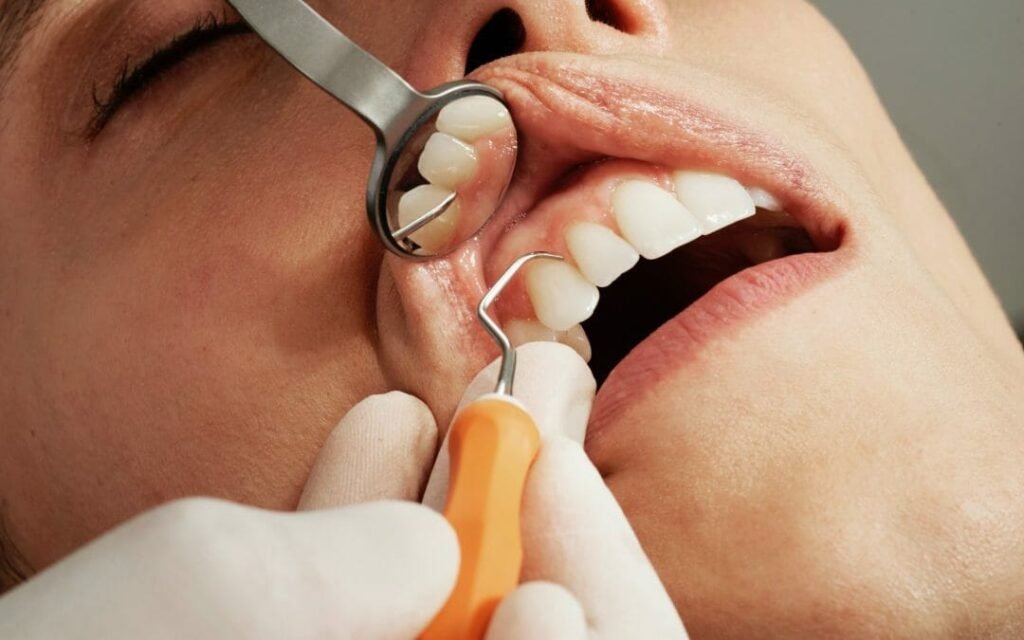
A healthy future may begin in a place many people overlook: the mouth. Every day, the teeth, gums and surrounding tissues perform an extraordinary amount of work, from helping us speak and eat to contributing to confidence and social connection. Yet oral health is sometimes treated as something that only requires attention when discomfort appears.
Preventive oral care offers a different perspective. Rather than waiting for toothache, bleeding gums or visible damage to demand attention, prevention focuses on maintaining oral health before minor concerns develop into more complicated problems. In Australia, where access to professional dental care, public health initiatives and modern treatment technologies continues to evolve, this approach is becoming increasingly important.
Prevention Is More Than Avoiding Toothache
Tooth decay and gum disease are among the most common oral health concerns, but their effects extend beyond an isolated tooth or gumline. Poor oral health can make eating uncomfortable, affect speech and influence a person’s willingness to smile or interact socially. Some oral conditions can also coexist with broader health concerns, reinforcing the importance of viewing the mouth as part of the body rather than as a separate system.
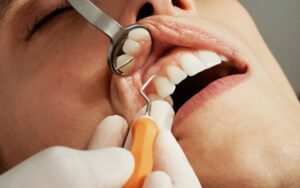
Regular examinations allow dental professionals to identify changes that may not yet cause obvious symptoms. Early-stage decay, gum inflammation, enamel wear, cracked teeth and other developing problems can sometimes be addressed more conservatively when detected early.
The role of dentists is therefore not simply to repair damaged teeth. Preventive dentistry is also about education, monitoring and helping individuals understand the habits that influence their oral health over time.
The Australian Lifestyle and Oral Health
Australia’s diverse lifestyle can create equally diverse oral health challenges. Busy working schedules, frequent travel, sporting activities, changing diets and demanding family routines can all influence how consistently people maintain their oral hygiene.
Diet deserves particular attention. Regular consumption of sugary foods and drinks can increase the risk of tooth decay, while acidic beverages may contribute to enamel erosion. This does not mean that Australians need to eliminate every indulgence from their lives. Instead, preventive care encourages greater awareness of frequency, quantity and everyday habits.
Water remains a particularly useful choice, especially fluoridated tap water where available. Fluoride helps strengthen tooth enamel and supports the body’s natural defence against decay. Combined with brushing twice daily using fluoride toothpaste and cleaning between the teeth, these simple habits form a powerful foundation for long-term oral health.
Children Learn Prevention Through Routine
For children, preventive oral care can shape attitudes that last well into adulthood. Establishing consistent brushing habits early helps transform oral hygiene from an occasional instruction into an ordinary part of daily life.
Regular dental visits can also familiarise children with the dental environment and allow developing teeth to be monitored. Parents and carers play an important role by demonstrating good habits, limiting frequent sugary snacks and drinks, and treating oral health as a normal component of overall wellbeing.
This is particularly valuable because childhood is a period of rapid physical development. The condition of primary teeth can influence comfort, nutrition and the development of healthy oral behaviours, even though those teeth will eventually be replaced.
Prevention Changes With Age
Oral health needs do not remain constant throughout life. Teenagers may face challenges associated with orthodontic treatment, dietary habits and inconsistent brushing routines. Adults may encounter enamel wear, gum disease, tooth sensitivity or the consequences of years of accumulated habits.
For older Australians, maintaining natural teeth becomes especially significant. Changes in saliva production, medications, dexterity and general health can influence oral hygiene. Regular professional monitoring can help identify emerging concerns and support personalised prevention strategies.
Professional dental care should therefore evolve alongside the individual. What protects a child’s developing smile may not be the same approach required by a working adult or an older person.
Technology Is Strengthening Preventive Dentistry
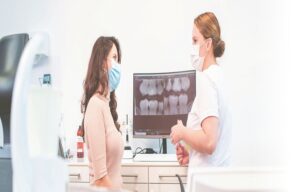
Modern dentistry has increasingly shifted towards early detection and precise planning. Digital imaging, intraoral scanning and other diagnostic technologies can help clinicians examine oral structures in greater detail and monitor changes over time.
These technologies do not replace good daily habits. Instead, they complement them by giving dental professionals more information when assessing oral health.
The preventive philosophy is simple: the earlier a concern is recognised, the more opportunities there may be to manage it before it becomes more complex. This can potentially reduce discomfort, treatment complexity and the disruption caused by unexpected dental problems.
A Healthy Smile Also Influences Confidence
There is another dimension to prevention that deserves recognition. A smile is not purely biological. It is part of communication, self-expression and the way people present themselves to the world.
When people feel comfortable with their oral health, they may smile more freely, speak with greater confidence and participate more comfortably in social situations. Maintaining healthy teeth and gums can therefore contribute to a sense of personal wellbeing that extends beyond clinical measurements.
In this sense, oral care can become an essential part of personal style. It is not about pursuing an artificial idea of perfection; it is about protecting the natural smile and maintaining the confidence that comes from knowing it is healthy and cared for.
Building a Preventive Culture
The future of oral health in Australia will depend not only on advanced treatments but also on changing the way people think about dental care. A dental appointment should not be viewed solely as something required when pain arrives. It can instead become part of a broader routine of health maintenance, alongside exercise, balanced nutrition, sleep and regular medical check-ups.
The guidance of dentists can help individuals understand their particular risk factors and establish practical routines suited to their age, lifestyle and oral health needs. However, prevention ultimately begins with everyday choices made at home.
A toothbrush, fluoride toothpaste, sensible dietary habits, interdental cleaning and regular professional care may seem remarkably ordinary. Together, however, they represent one of the most effective ways to protect a smile for years to come.
A healthier future does not necessarily begin with a sophisticated procedure or an expensive treatment. Sometimes, it begins with something far more fundamental: Recognising that the mouth is part of the body, and caring for it before a problem has the opportunity to speak for itself.