Smart Sedation: How Modern Sleep Dentistry Technology Is Creating Anxiety-Free Dental Visits
5 min read
For generations, the dental chair has symbolised both healing and hesitation. While dentistry has advanced dramatically in clinical precision, many patients still associate treatment with discomfort, vulnerability, and fear. Today, however, a quiet revolution is underway. Through the evolution of sleep dentistry, modern practices are redefining what it means to experience care—transforming anxiety into assurance and appointments into calm, controlled experiences.
This shift is not merely cosmetic. It is grounded in neuroscience, pharmacology, digital monitoring, and a deeper understanding of patient psychology. In many ways, smart sedation represents the convergence of medicine and empathy.
The Science Behind Dental Anxiety
Dental anxiety is not a trivial concern. Studies consistently show that a significant percentage of adults delay or avoid treatment due to fear. The causes vary—childhood trauma, fear of pain, loss of control, or embarrassment about oral health—but the physiological response is universal. When anxious, the body releases adrenaline and cortisol. Heart rate increases. Muscles tense. Pain perception heightens.
Ironically, avoidance often leads to more complex dental problems, reinforcing the cycle of fear.
Modern sleep dentistry interrupts that cycle. Rather than expecting patients to simply “cope,” it uses evidence-based sedation techniques to regulate the body’s stress response. By calming the central nervous system, sedation reduces the fight-or-flight reaction, allowing both patient and clinician to focus on treatment outcomes instead of emotional distress.
From Nitrous Oxide to Intelligent Sedation Systems
Sedation dentistry is not new. Nitrous oxide—commonly known as “happy gas”—has been used for over a century. What has changed is precision.
Today’s smart sedation protocols incorporate:
- Computer-regulated delivery systems
- Pulse oximetry and capnography monitoring
- Carefully titrated oral or IV sedation options
- Digital patient record integration for personalised dosing
These innovations ensure that sedation levels are not guesswork but calculated, monitored, and tailored in real time. The result is improved safety, faster recovery, and greater predictability.
In Australia and globally, dental boards require rigorous training and compliance standards for sedation providers. This professional framework ensures that modern sleep dentistry remains both patient-focused and clinically sound.
Why Technology Matters in Creating Comfort
Technology does more than numb sensation—it reshapes perception.
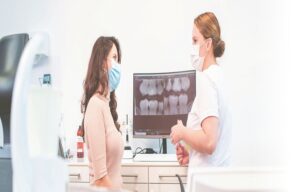
Consider the environment of a contemporary dental clinic. Noise-reducing handpieces, digital scanners replacing traditional impression trays, and 3D imaging systems all reduce physical discomfort. When these are paired with sedation, the cumulative effect is transformative.
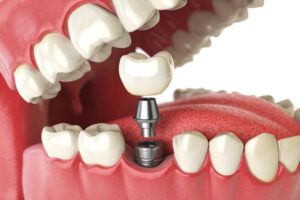
Patients frequently report that procedures they once feared—wisdom tooth removal, multiple fillings, dental implants—feel shorter, smoother, and less emotionally taxing. For some, appointments become so relaxed that time seems compressed or barely remembered.
This matters because perception influences memory. When a dental visit is associated with calmness rather than stress, future appointments are approached with confidence instead of dread.
The Gold-Standard Solution for Dental Anxiety Patients
For individuals with severe dental phobia, complex treatment needs, or heightened gag reflexes, sedation is often considered the gold-standard solution for dental anxiety patients.
But what defines “gold standard” in this context?
- Safety – Continuous monitoring and strict protocols.
- Customisation – Sedation levels adjusted to the patient’s medical history and comfort threshold.
- Efficiency – Multiple procedures can often be completed in fewer visits.
- Emotional Protection – Reduced psychological stress during and after treatment.
Importantly, sedation does not eliminate the need for communication. Ethical sleep dentistry emphasises informed consent, thorough consultation, and post-treatment follow-up. It is not about removing patient agency—it is about enhancing it.
Sleep Dentistry and the Changing Patient Expectation
Healthcare consumers today expect more than competence; they expect experience. Just as modern hospitals prioritise patient comfort and digital integration, dentistry is evolving beyond purely functional care.
Many clinics now incorporate calming design principles, aromatherapy, noise-cancelling headphones, and streamlined booking systems. Within this broader transformation, sleep dentistry fits naturally. It reflects a shift from reactive treatment to proactive well-being.
Patients are no longer asking, “Will it hurt?” but rather, “How comfortable will I feel?”
That question signals a profound cultural change.
Accessibility and Ethical Considerations
While the benefits of sedation are substantial, responsible providers emphasise that it is not necessary for every patient. Mild anxiety may be managed through communication techniques, shorter appointments, or behavioural strategies.
The ethical practice of sleep dentistry involves appropriate screening for medical conditions, transparent discussion of risks, and avoidance of overuse. Sedation is a tool—not a marketing gimmick.
When used appropriately, however, it expands access to care. Patients who have avoided dentistry for years due to fear often return for comprehensive treatment once sedation options are explained. The long-term oral health benefits can be life-changing.
Beyond Anxiety: Clinical Advantages
Smart sedation does more than reduce fear. It can improve clinical efficiency and outcomes.
A relaxed patient is easier to treat. Muscle tension decreases. Involuntary movements lessen. Dentists can perform delicate procedures with greater precision and fewer interruptions.
For complex restorative or surgical cases, completing treatment in fewer sessions reduces cumulative stress. Recovery protocols are also more refined today, with many patients returning to normal activities within 24 hours.
The Future of Anxiety-Free Dentistry
Looking ahead, advancements in pharmacogenomics and AI-driven monitoring may further personalise sedation. Wearable health devices could integrate with dental systems, offering predictive insights into patient stress levels before appointments even begin.
Tele-dentistry consultations may also play a role in reducing anxiety by allowing patients to meet their clinician virtually before visiting the clinic. Familiarity builds trust.
Ultimately, the future of sleep dentistry lies not only in deeper sedation but in smarter sedation—measured, ethical, technologically supported, and psychologically informed.
Redefining the Dental Narrative
The dental profession has long focused on clinical excellence. Today, it is equally focused on emotional intelligence.
Smart sedation represents more than a pharmacological advance. It symbolises a commitment to understanding the human experience behind the smile. When fear is addressed with compassion and science, oral healthcare becomes accessible to those who once avoided it.
In that sense, modern sleep dentistry is not simply about sleeping through treatment. It is about awakening to a new standard of care—where safety, comfort, and clinical precision coexist.
And for millions who have postponed appointments due to anxiety, that shift may be the most significant innovation of all.