Endodontist Treatment Explained: When You Need Specialized Root Canal Care
3 min read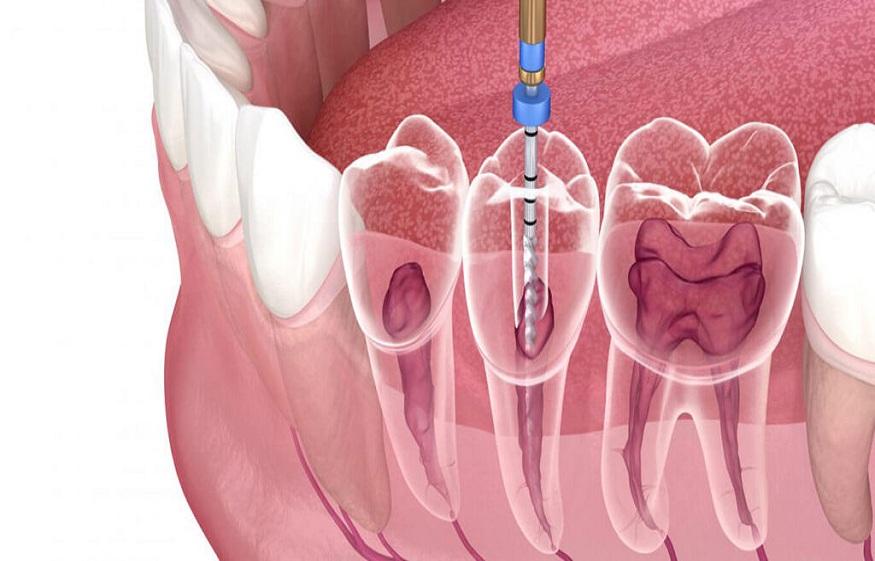
Tooth pain can range from mild sensitivity to severe discomfort that interferes with daily life. While general dentists manage many oral health issues, certain conditions require more advanced care. This is where endodontist treatment plays an important role. Endodontists are dental specialists trained to diagnose and treat problems affecting the inner tissues of the tooth, particularly the pulp and root canals.
Understanding when endodontist treatment is needed, what it involves, and how it supports long-term tooth preservation can help patients make informed decisions about their dental care.
What Is Endodontist Treatment?
Endodontist treatment focuses on diseases and injuries involving the dental pulp—the soft tissue inside the tooth that contains nerves, blood vessels, and connective tissue. When this tissue becomes inflamed or infected due to decay, cracks, repeated dental procedures, or trauma, specialized treatment is often required to save the tooth.
Root canal therapy is the most common procedure performed by endodontists. If you’re unfamiliar with the fundamentals, learning how root canal treatment works can help clarify why endodontic care is essential for relieving pain and stopping infection.
When Is an Endodontist Needed?
Not all tooth pain requires specialist care, but certain symptoms suggest the need for endodontist treatment. These include:
- Persistent or severe tooth pain
- Sensitivity to hot or cold that lingers
- Swelling or tenderness in the gums
- Pain when biting or chewing
- A cracked or injured tooth
- Deep decay approaching the pulp
Endodontists use advanced imaging, diagnostic tools, and magnification to detect issues that may not be visible during routine dental exams.
What to Expect During Endodontist Treatment
Patients are often anxious about endodontic procedures, but modern techniques make treatment far more comfortable than many expect. The process typically begins with a thorough examination and imaging to identify the source of the problem.
During treatment:
- The area is numbed with local anesthesia
- The infected or inflamed pulp is carefully removed
- The canals are cleaned, shaped, and disinfected
- The space is filled and sealed to prevent reinfection
For a detailed overview, this guide on what to expect during endodontist treatment explains the procedures and why they are so effective at preserving natural teeth.
Is Endodontist Treatment Painful?
A common misconception is that endodontist treatment is painful. In reality, it is designed to relieve pain caused by infection or inflammation. Most patients report that treatment feels similar to getting a routine dental filling.
Post-treatment soreness is usually mild and temporary, often resolving within a few days. Over-the-counter pain relievers and proper aftercare are typically sufficient for managing discomfort.
Recovery After Endodontist Treatment
Recovery after endodontic care is generally straightforward. Patients can usually return to normal activities the next day, although chewing on the treated tooth should be avoided until final restoration is completed.
During recovery, patients may experience:
- Mild tenderness
- Sensitivity when biting
- Temporary changes in chewing comfort
These symptoms gradually subside as the surrounding tissues heal.
Why Saving the Natural Tooth Matters
One of the primary goals of endodontist treatment is to save the natural tooth whenever possible. Preserving the original tooth helps maintain proper bite alignment, chewing efficiency, and jaw health.
Benefits of saving a tooth through endodontic care include:
- Avoiding tooth extraction
- Maintaining natural appearance and function
- Preventing shifting of surrounding teeth
- Supporting long-term oral health
With proper restoration and care, a tooth treated by an endodontist can last for many years.
The Role of Final Restoration
After endodontist treatment, the tooth often requires a permanent restoration, such as a crown. This step is critical because teeth that have undergone root canal therapy may be more brittle and prone to fracture.
Final restoration helps:
- Restore strength and function
- Protect the tooth from future damage
- Seal the tooth against bacteria
Skipping or delaying this step increases the risk of complications, even if the tooth feels fine.
Long-Term Outlook After Endodontist Care
Endodontist treatment has a high success rate, especially when performed early and followed by proper restoration. Regular dental checkups, good oral hygiene, and prompt attention to symptoms all contribute to long-term success.
Patients who understand the purpose and process of endodontic care are better prepared to protect their oral health and make confident decisions when tooth pain or infection arises.