Dental Anxiety? The Science-Backed Comfort of Deep Sleep Dentistry
3 min read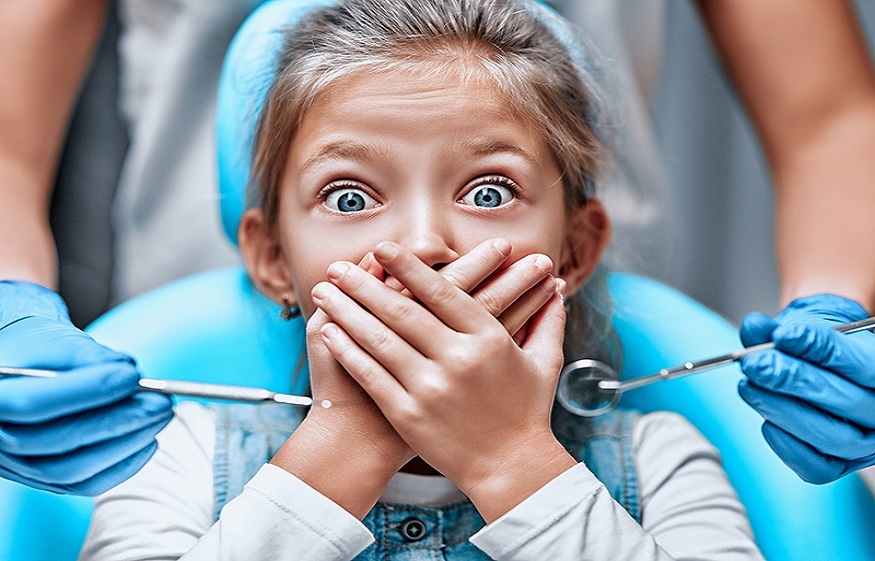
Dental anxiety affects a significant portion of the population, often creating a barrier to routine oral care and necessary dental procedures. While some patients may experience mild nervousness, others confront severe fear that can delay treatment for months or even years. This hesitation can lead to worsening oral health, including advanced decay, gum disease, and more complex restorative needs. Fortunately, modern dentistry has evolved to address these challenges, integrating scientific advancements that prioritize both comfort and efficacy during dental care.
One of the most transformative approaches in this field is sleep dentistry, also known as sedation dentistry. Unlike traditional methods that rely solely on patient cooperation and tolerance, sleep dentistry allows patients to undergo necessary treatments in a deeply relaxed or unconscious state, guided safely by trained professionals. By reducing conscious awareness, it eliminates the physical and psychological stress that often accompanies dental procedures.
The physiological response to anxiety is well-documented. When patients are stressed or fearful, their bodies release stress hormones like cortisol and adrenaline, which can increase heart rate, blood pressure, and muscle tension. These responses not only make the dental experience uncomfortable but can also interfere with the dentist’s ability to perform precise treatments. Sleep dentistry mitigates these issues by creating a controlled environment in which the patient’s stress response is minimized, allowing dental professionals to work efficiently and safely.
Modern sedation techniques are highly customizable, depending on the patient’s needs, health status, and the complexity of the dental procedure. Oral sedation, intravenous (IV) sedation, and nitrous oxide (“laughing gas”) are commonly employed methods, each with its own advantages. Oral sedation is convenient and effective for mild to moderate anxiety, inducing a calm, drowsy state. IV sedation allows for deeper levels of relaxation, often resulting in patients having little to no memory of the procedure. Nitrous oxide offers a lighter, quickly reversible sedation for shorter appointments or less invasive procedures.
These sedation strategies are not just about comfort—they also improve procedural outcomes. Patients who are calm and relaxed are easier to treat, which reduces chair time and improves the precision of dental work. Complex treatments such as root canals, extractions, or full-mouth restorations can often be completed in fewer visits without compromising quality. In this way, efficient treatment plans enhanced by sleep dentistry ensure that patients receive high-quality care while minimizing stress and discomfort.
Beyond immediate procedural benefits, sleep dentistry also contributes to long-term oral health. Patients who experience minimal fear are more likely to adhere to routine dental visits and preventive care schedules. Consistent maintenance reduces the risk of cavities, periodontal disease, and other complications that may require invasive interventions later. Addressing anxiety through sedation not only improves a single appointment but encourages a proactive approach to oral health over a lifetime.
Scientific studies have validated the safety and efficacy of sleep dentistry. Monitoring techniques such as pulse oximetry, blood pressure checks, and continuous supervision by trained dental anesthetists ensure that patients remain within safe physiological parameters throughout their treatment. Post-operative recovery is generally smooth, with most patients experiencing minimal side effects. Education and pre-procedure consultation are critical, allowing dentists to tailor sedation levels and strategies to individual patient needs, ensuring both safety and optimal comfort.
Equally important is the psychological reassurance that comes from knowing one’s fears are understood and accommodated. Patients with previous traumatic dental experiences often report that sleep dentistry alleviates not only physical discomfort but also emotional distress. By reducing anticipatory anxiety—the fear felt in the days or weeks leading up to an appointment—sedation dentistry can transform a formerly intimidating experience into a manageable, even positive, process.
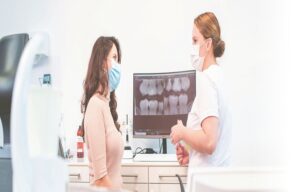
As dental technology continues to advance, the integration of sedation methods with modern imaging, restorative techniques, and preventive strategies amplifies the benefits. High-resolution imaging allows precise treatment planning, while sedation ensures patient cooperation and comfort during complex procedures. Collectively, these approaches represent a holistic, science-backed strategy for managing anxiety while delivering effective dental care. For more guidance on managing apprehension and overcoming fear in the dental chair, see the answer to dental anxiety.
For those struggling with fear of dental visits, the combination of advanced sedation techniques and personalized care represents a reliable pathway to improved oral health. Patients who previously avoided dental treatment due to fear can now approach their appointments with confidence, supported by procedures specifically designed to minimize stress